
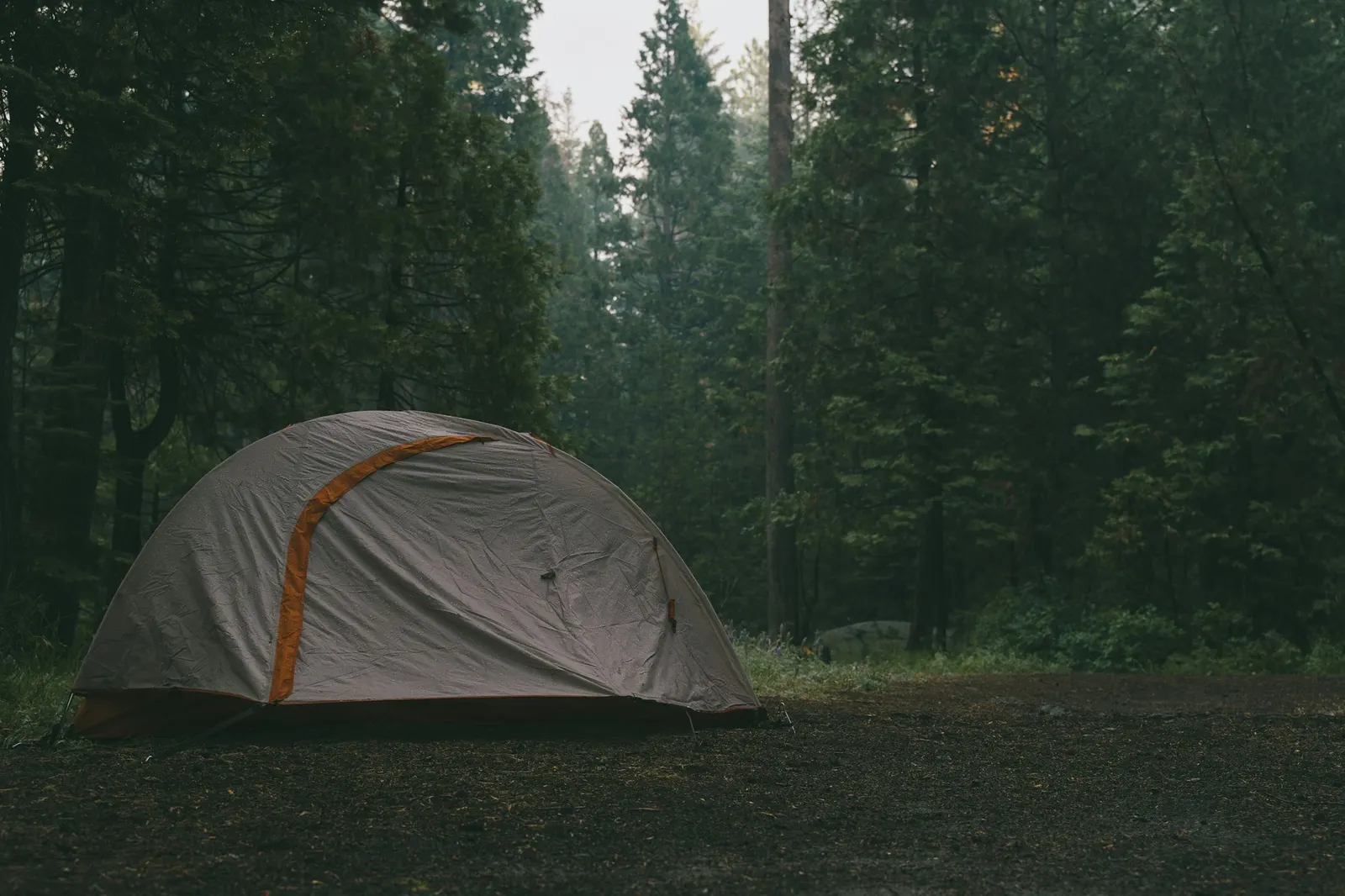
If you camp in Canada long enough, it will rain — sometimes for days. The difference between a miserable trip and a cozy one is rarely the weather itself. It comes down to a few habits: pitching smart, keeping key items dry and having a plan for the hours under the tarp. Here are the rainy-day techniques that experienced campers rely on.
Before the trip: plan for rain
- Check the forecast but pack as if it will rain anyway.
- Seam-seal and waterproof your tent and rain gear at home if they are older.
- Bring a large tarp — at least 3 × 3 metres for two people, larger for families — plus plenty of cord.
- Pack in waterproof layers: line packs with heavy-duty bags and put sleeping bags and spare clothes in their own dry bags.
- Bring real rain gear: jacket and pants for everyone, plus waterproof footwear or a dedicated "camp shoe" you can keep dry.
Pitching for wet weather
Choose the right spot
Avoid low spots, dips and the bottom of slopes where water pools. Look for slightly raised, well-drained ground on an established tent pad. Check for dead branches overhead — wet, heavy branches are more likely to fall in wind.
Tarp first, tent second
If it is already raining when you arrive, put up the tarp first. It gives you a dry place to unpack and pitch the tent underneath or nearby without soaking the inside.
Taut and angled
Pitch the tent fly tight so it does not touch the inner tent, and stake out every guy line. For tarps, set one side lower than the other so water runs off rather than pooling in the middle. A ridge line between two trees with the tarp draped over it is quick and sturdy.
Water running along guy lines and ridge lines often ends up exactly where you don't want it. Tie a short piece of string or a twist of cord around the line just before it reaches the tarp or tent; water follows the string and drips off before it reaches you.
Keeping gear dry
- Sleeping bag and sleep clothes are sacred. They stay in a dry bag until you are in the tent and stay dry no matter what.
- Wet stays outside. Leave wet rain gear in the tent vestibule, not inside the inner tent.
- Wipe the floor. A small, absorbent camp towel or sponge to mop up the tent floor is surprisingly useful.
- Dry what you can. During breaks in the rain, hang clothes under the tarp where air can move. Wet socks dry faster when worn inside a sleeping bag liner — but only if you are warm enough.
- Protect electronics. Keep phones and power banks in zip bags.
Cooking in the rain
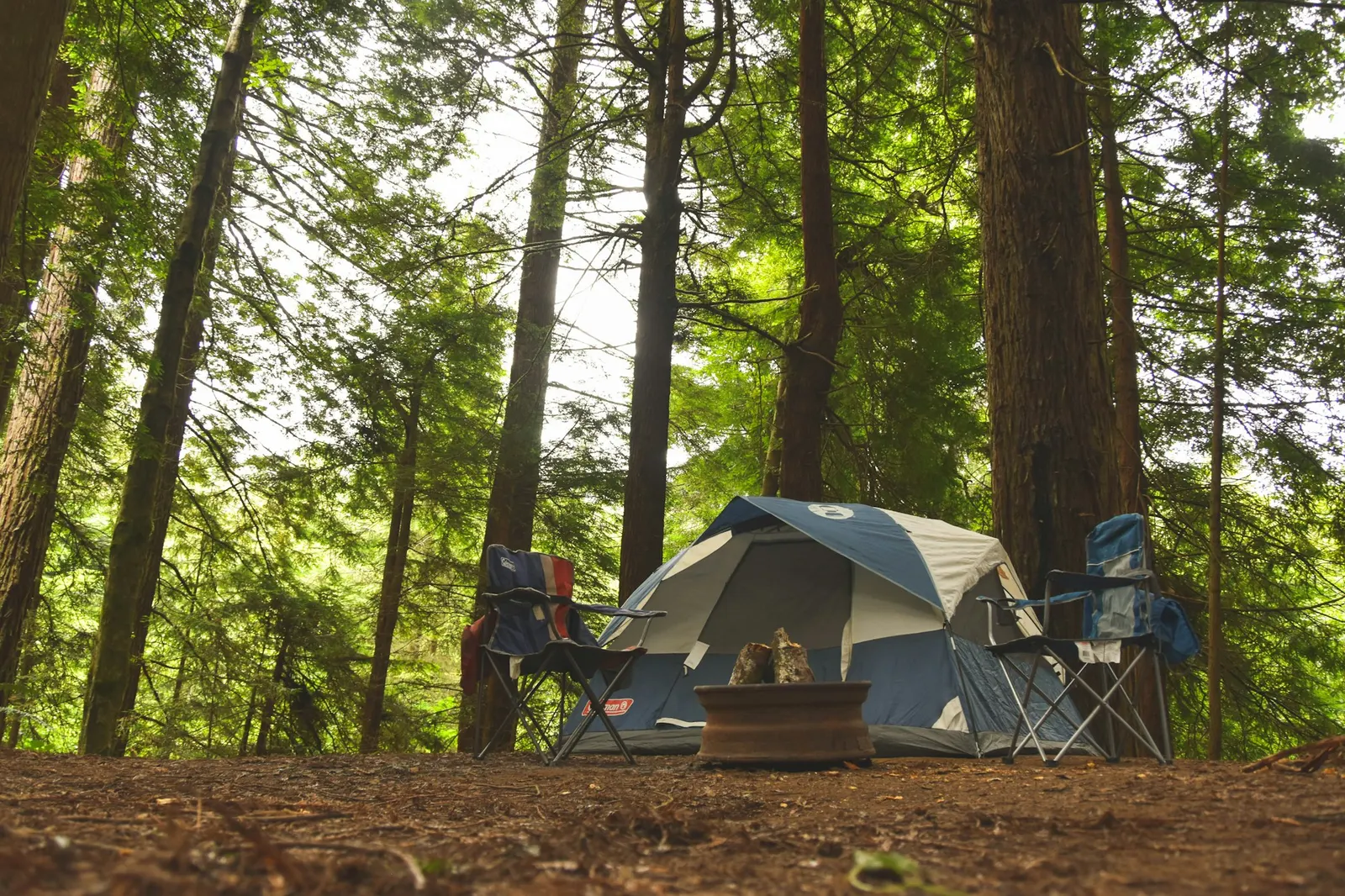
Hot food lifts morale like nothing else on a wet day. Set up the kitchen under the tarp, keeping the stove at the open edge for ventilation and away from the tarp fabric. Never cook inside your tent: stoves present fire and carbon monoxide risks in enclosed spaces.
- Choose simple one-pot meals: soups, chili, curries, pasta.
- Keep hot drinks flowing — tea, coffee, hot chocolate, broth.
- Pre-cut and pre-measure ingredients at home to reduce prep time.
- Keep a dry lighter and a backup in a waterproof container.
See camp meal planning for warming recipes that work well in poor weather.
On the water in rain
Light rain on calm water can be lovely — the lake goes quiet and the forest smells incredible. Wind and lightning are what matter. If whitecaps appear or you hear thunder, get off the water and wait. Strong rain also reduces visibility, so stay closer to shore and keep your map handy in a waterproof case.
A wet day under a good tarp, with a hot drink and a deck of cards, can become the story you tell for years.
Rainy-day activities
- Card and dice games: compact and easy to play under a tarp.
- Books and audiobooks: download before you leave.
- Nature journaling: sketch the view, record bird calls or note mushrooms that appear after rain.
- Short rain walks: with good rain gear, a gentle forest walk is beautiful. Look for frogs, salamanders and mushrooms.
- Gear maintenance: repair, re-organize and plan tomorrow's route.
- Nap: rain on a tent fly is the best sleep soundtrack there is.
Staying warm when wet
The real hazard of rainy days is getting cold. Wet clothing pulls heat from your body much faster than dry clothing, and hypothermia can develop even in summer temperatures. Change into dry layers as soon as you reach camp, eat regularly and keep moving. Watch for shivering, clumsiness or confusion in your group, and warm up anyone showing these signs with dry clothes, shelter, warm drinks and a sleeping bag. Our guide to choosing a sleeping pad for cold nights helps you stay warm overnight.
Packing up wet
Sometimes you have to break camp in the rain. Pack the inner tent and sleeping gear first, inside the shelter of the fly, then take the wet fly down last and pack it separately in an outer pocket or mesh bag so it does not soak dry gear. Leave the tarp up until the very end so you have a dry spot for packing. At home, set everything up to dry within a day.
Key takeaways
- Pack as if it will rain, and line every pack.
- Pitch the tarp first, on well-drained ground, with good runoff angles.
- Keep your sleeping bag and sleep clothes dry at all costs.
- Cook under the tarp, never in the tent, and keep hot drinks coming.
- Get off the water in wind or thunder.
Rainy camping FAQ
Should I put a groundsheet under or inside the tent?
Usually under it. If you use one under the tent, make sure no part of the groundsheet sticks out beyond the tent floor; otherwise, it collects rain and channels it underneath you. Some campers put an extra sheet inside for added protection.
How do I dry a tent after a rainy trip?
Set it up at home or hang it in a dry space as soon as you can. Storing a damp tent leads to mildew and odours.