
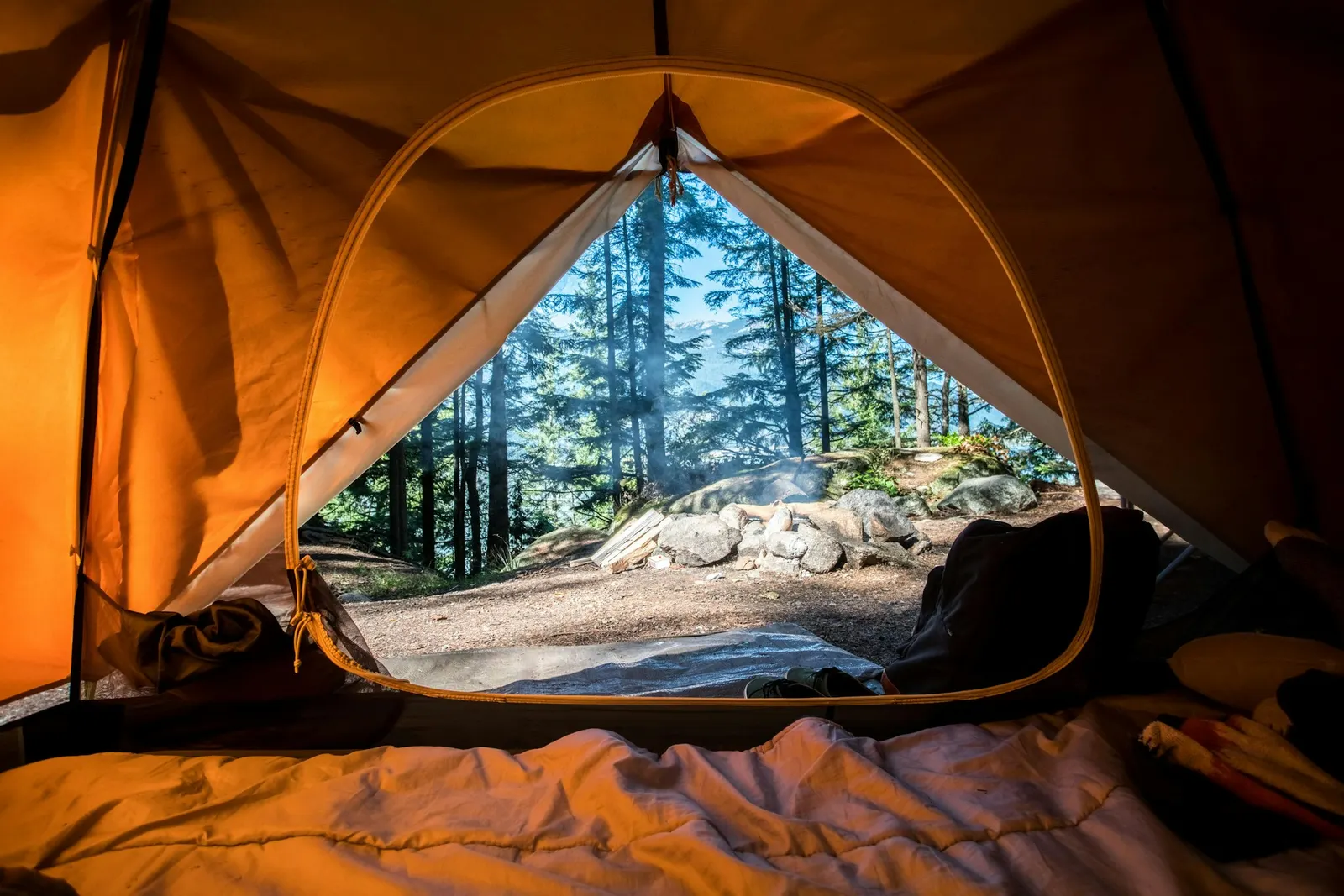
Canada's national parks are some of the most sought-after camping destinations in the world. Campgrounds in places like Banff, Jasper and Pacific Rim can fill quickly on popular summer dates. The process is not complicated, but it rewards preparation. This guide walks you through how national park reservations generally work and how to give yourself the best chance of getting the dates you want.
Reservation dates, fees and rules change from year to year. This article explains the general process; for current launch dates and park-specific rules, always check the official Parks Canada website and reservation service.
How the system works
Parks Canada uses an online reservation service, with a call centre option, for frontcountry campsites, many backcountry campgrounds and roofed accommodation such as oTENTiks. Each season, reservations open for each park on a set launch date, which Parks Canada announces in advance. Launch dates are typically staggered across parks over several days in winter or early spring.
Provincial parks run their own separate systems. Ontario Parks, for example, uses a rolling window that opens a set number of months before your arrival date; other provinces use fixed opening dates. If you are planning a mix of national and provincial parks, note each system's rules separately.
Before launch day: prepare
- Create your account early. Set up your account on the reservation service ahead of time and confirm your login works.
- Know the launch date and time for the specific park you want. Put it in your calendar with a reminder.
- Research campgrounds and sites. Use the online maps to shortlist campgrounds and specific sites. Note site numbers, equipment limits and pad sizes.
- Pick several options. Have a first choice, second choice and third choice for both site and dates.
- Know your equipment. You will be asked for tent or vehicle type and size; have the details ready.
- Have payment ready so you can complete checkout quickly.
On launch day
- Log in a few minutes before reservations open. Many systems use a virtual queue; follow its instructions and do not refresh unnecessarily.
- When it is your turn, go straight to your shortlisted options.
- If your first choice is gone, move quickly to your backups rather than searching from scratch.
- Complete payment promptly; items in a cart may only be held briefly.
- Save and print your confirmation, and download it for offline access.
Treat launch day like a trip itself: plan the route, have backups ready and do not panic if the first site is taken.
Backcountry permits and reservations
In many national parks, backcountry campgrounds are reserved through the same service, often with their own launch dates. You may need to choose a specific campground for each night of your trip. Popular routes, such as some multi-day hikes and paddle routes, can have quotas or special booking processes.
When planning a backcountry route, check distances between campgrounds carefully. It is easy to book an itinerary that looks fine on paper but is too long for your group. Our backcountry camping guide explains how to plan realistic days.
Choosing the right campground
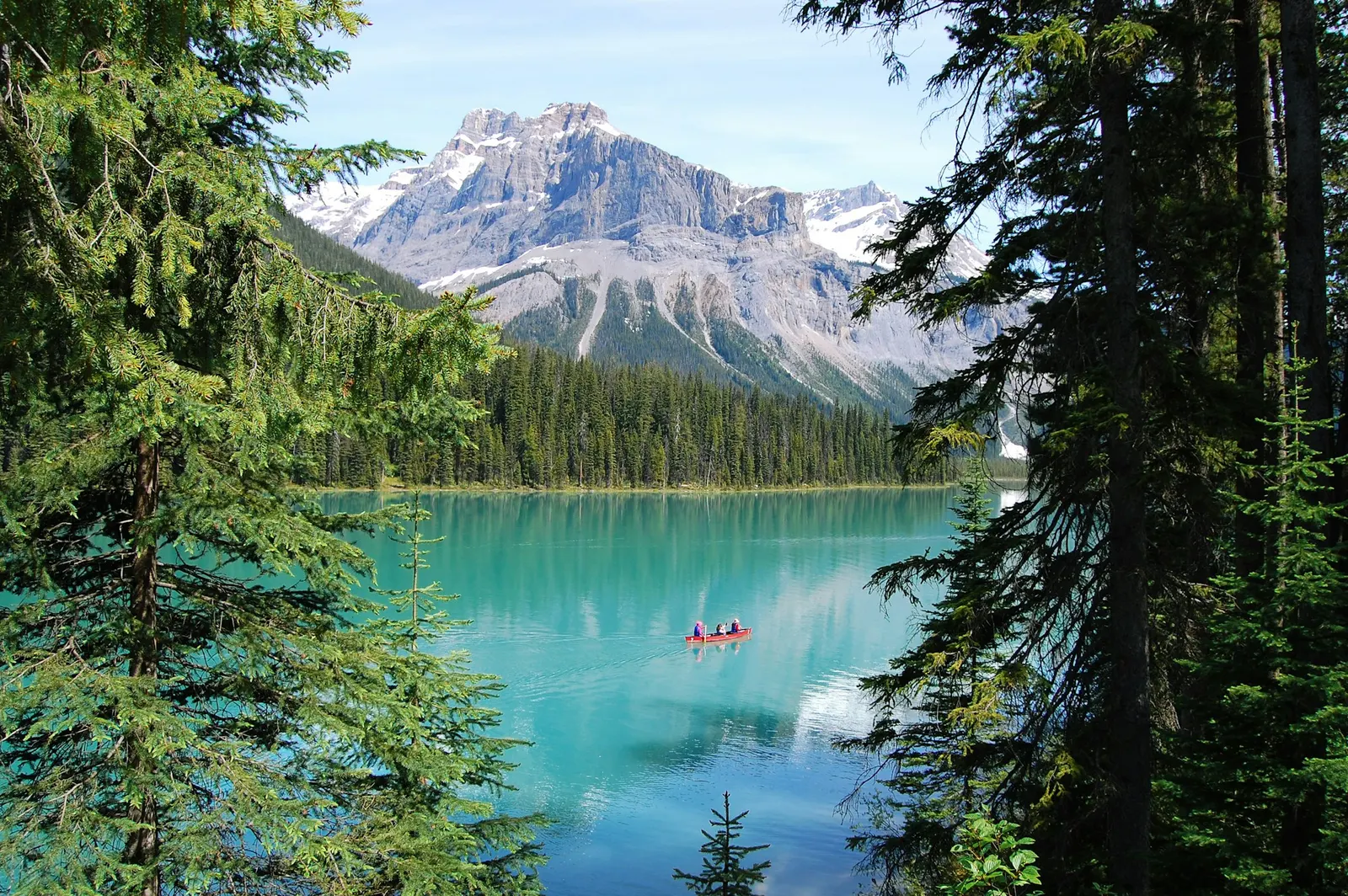
Large national parks often have several campgrounds with very different characters. Before launch day, read each campground's description and look at the site maps.
- Size and services: large campgrounds usually have showers, flush toilets and interpretive programs; smaller ones are quieter and more rustic.
- Access to water: if paddling is your main goal, pick a campground on a lake with a launch or easy canoe access.
- Elevation and climate: in mountain parks, campgrounds at higher elevations can be noticeably colder at night, even in summer.
- Accessibility: many parks list accessible sites and facilities; check the details if anyone in your group needs them.
- Roofed options: oTENTiks and other roofed accommodation are popular in shoulder season and with families who do not own a tent.
Booking for a group
If you are travelling with friends or extended family, agree in advance on who will book which sites, and share your shortlist. Some reservation systems limit how many sites one account can book at a time, and group campsites may have separate rules. Coordinating beforehand avoids duplicate bookings and frees sites for other campers.
If you miss out
Do not give up if your first choice is booked. There are good options:
- Check for cancellations. People change plans, and sites open up. Check regularly, especially in the weeks before your dates.
- Shift your dates. Midweek stays and shoulder-season dates (June, September) are easier to book.
- First-come, first-served sites. Some parks hold a portion of campsites for non-reserved arrivals. Check the park's website to see whether this applies.
- Nearby provincial parks and other campgrounds outside the national park may have availability.
- Lesser-known parks. Canada has dozens of national parks; many beautiful ones see far fewer visitors.
After you book
- Read your confirmation carefully: check-in times, quiet hours, fire rules and equipment limits.
- Note the cancellation and change policy in case your plans change.
- If you need a park entry pass, buy it separately — a campsite reservation does not always include park entry.
- Check fire bans and any area closures closer to your trip; see campfire bans and rules.
Cancelling responsibly
If you cannot use your reservation, cancel as early as possible. It frees the site for someone else and may reduce any cancellation fee. Booking multiple sites you do not intend to use is discouraged and may be against reservation policies.
Key takeaways
- Find the official launch date for your park and create your account ahead of time.
- Shortlist several campgrounds, sites and date options before launch day.
- Watch for cancellations and consider midweek or shoulder-season dates.
- Park entry passes and campsite reservations can be separate purchases.
Reservation FAQ
Can I book by phone?
Parks Canada has offered a call centre in addition to the online service. Check the official website for current phone booking options and hours.
Do I need a reservation for every national park campground?
Not always. Some campgrounds or sites are first-come, first-served, and policies vary by park. Check the park's camping page for details.