
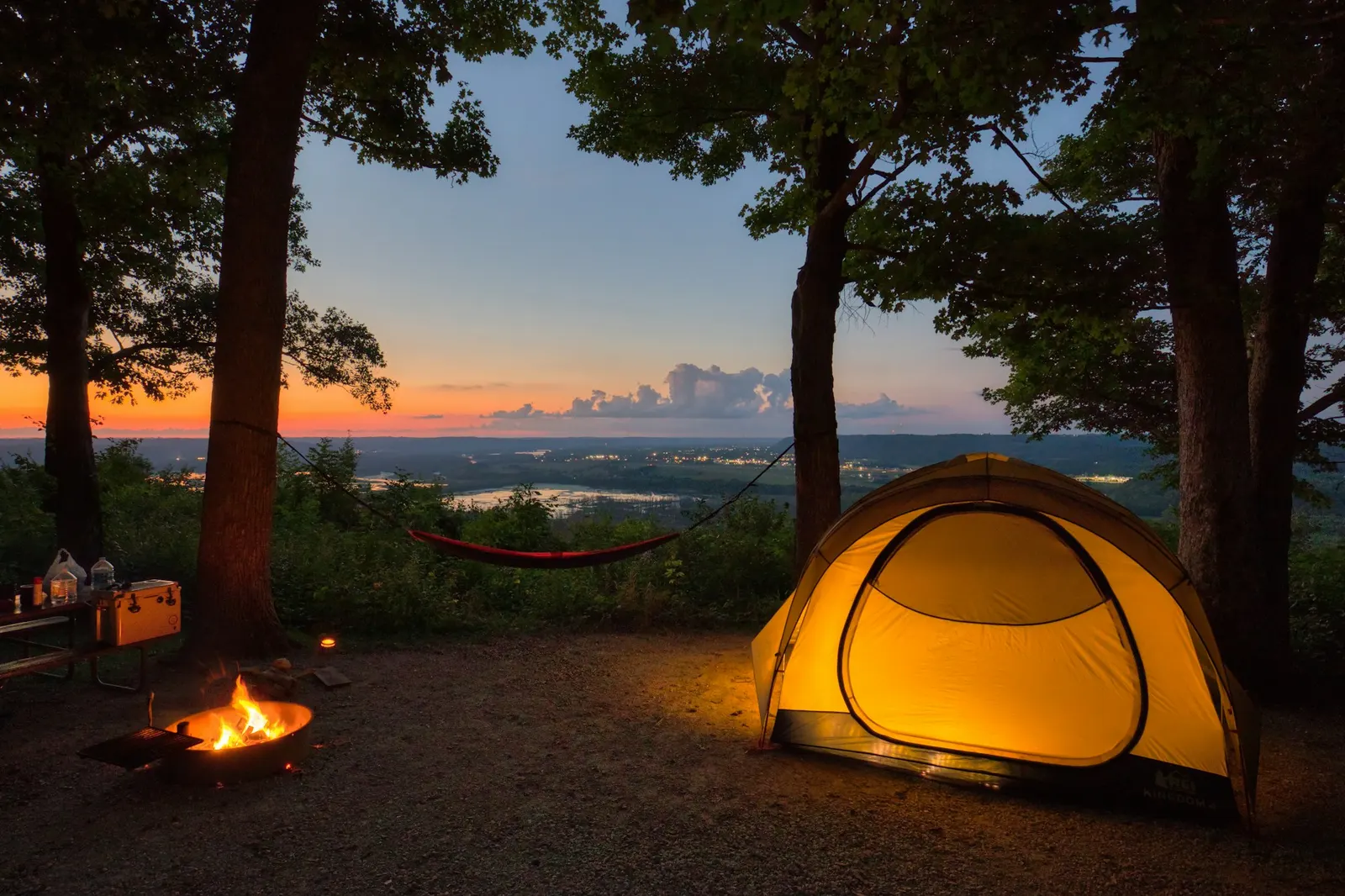
In Canadian parks, "backcountry" generally describes any campsite you reach on foot, by paddle or by bike rather than by car. Facilities are basic: a tent pad, a fire ring where fires are allowed, perhaps a box privy and a food locker or bear pole. Everything else is up to you. This page explains how backcountry systems work in Canada and the habits that keep trips safe and low-impact.
How backcountry permits work
Most provincial and national parks require a backcountry permit for overnight stays. The details vary, but the patterns are similar:
- Designated sites: many mountain parks, such as Banff and Jasper, assign you to a specific backcountry campground for each night. You must camp where your permit says.
- Lake or zone permits: in canoe parks such as Algonquin, permits are often issued for a lake or area, and you choose any open site there.
- Random camping: some large wilderness areas allow camping away from designated sites, usually with stricter rules about distance from water and trails.
Popular parks release backcountry reservations months ahead and the best dates can fill quickly. Check each park's official page for the booking window and any quotas, and carry a copy of your permit.
Choosing and setting up a site
On designated sites, the choice is made for you; your job is to use it lightly. Pitch on the existing tent pad rather than creating a new flat spot, and avoid trenching around the tent. Look up before you settle: dead branches and leaning trees, sometimes called "widowmakers", are a real hazard in older forests and after wind storms.
Kitchen, sleeping and storage triangle
In bear country, separate your camp into three areas: the tent, the cooking area and the food storage spot. A common guideline is to keep these at least 50 to 70 metres apart, with the kitchen downwind of the tent where possible. Use the food locker, bear pole or cable provided; if none exists, use a bear-resistant container or hang your food properly. Our bear safety guide goes into detail.
Water: find it, treat it, carry it
Lakes and streams are plentiful in Canada, but untreated water can carry parasites such as Giardia and other pathogens. Treat all drinking water, even when it looks perfectly clear.
- Filters: fast and effective against bacteria and protozoa; choose one that suits your group size.
- Chemical treatment: lightweight and reliable when you follow contact times; a good backup.
- Boiling: a rolling boil makes water safe to drink, but uses fuel.
Collect water from moving or deep, clear water away from shore, and fill bottles for the evening before you start cooking so you are not fumbling in the dark.
Use a collapsible bag as your "dirty" water container and keep your drinking bottles clean. Fill the bag at the lake, then filter into bottles back at camp. It cuts down on trips to the shoreline and reduces wear on banks.
Navigation and communication
Trails and portages in the backcountry are generally marked, but signs can be missing, snow can linger into July in the mountains, and a wrong turn on a lake can cost hours. Carry a paper map and compass and know how to use them. A GPS app with offline maps is a useful second layer, but phones die and screens fail in rain and cold.
Cell coverage is limited or absent in much of the Canadian backcountry. A satellite messenger or personal locator beacon gives you a way to call for help. Before you leave, give a trusted person your route, campsites, vehicle details and a clear "if you haven't heard from me by" time.
Food and fuel
Backcountry meals should be simple, calorie-dense and quick to clean up. Plan roughly one kilogram of food per person per day for active trips, more in cold weather. Repackage food at home to remove extra packaging, and bring a small stove even if fires are allowed; campfire bans can be issued at short notice during dry spells, and stoves are usually still permitted. See camp meal planning for a full approach.
In the backcountry, you are the first responder. Pack the knowledge as carefully as the gear.
Weather and seasons
Backcountry season in most of Canada runs from late spring to early autumn, but conditions vary widely:
- Late May to June: high water, cool nights and peak blackfly season in Ontario and Quebec. Mountain passes may still hold snow.
- July to August: warmest weather, most crowded parks, afternoon thunderstorms and heightened fire risk.
- September: fewer bugs and people, crisp nights, early fall colour. Many experienced trippers consider it the best month.
- October: short days, near-freezing nights and some services closing for the season.
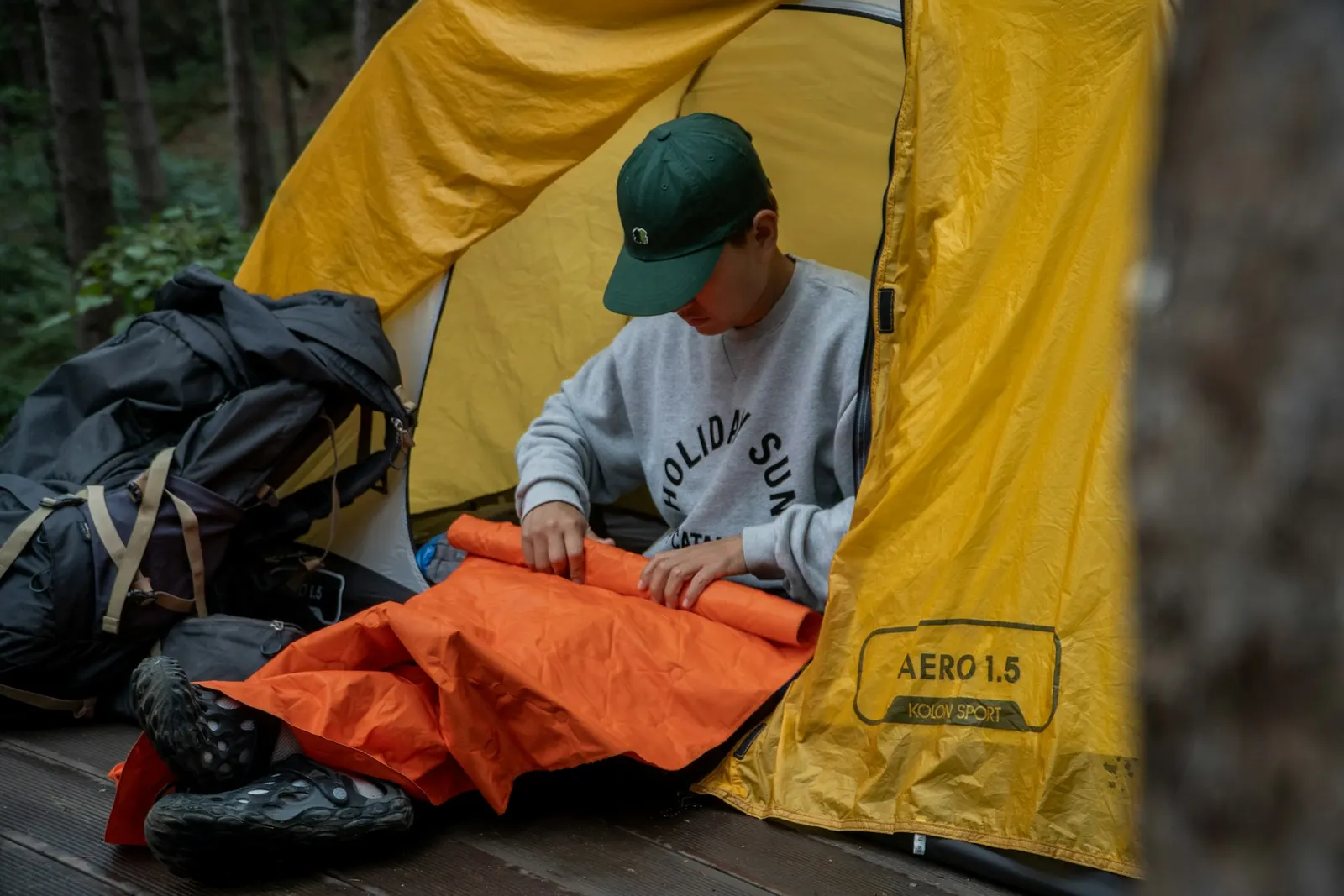
Whatever the month, pack for a night colder than the forecast. A warm sleep system makes the difference between a miserable night and a cozy one; see our guide to choosing a sleeping pad for cold nights.
Leave No Trace essentials
- Plan ahead and prepare, including knowing park rules and fire restrictions.
- Travel and camp on durable surfaces such as established trails, portages and tent pads.
- Dispose of waste properly: pack out all garbage and use privies or catholes 15–20 cm deep, well away from water.
- Leave what you find, including rocks, plants and cultural artifacts.
- Minimize campfire impacts: use existing fire rings and small, dead and downed wood only, where fires are permitted.
- Respect wildlife by observing from a distance and never feeding animals.
- Be considerate of other visitors: keep noise down and give others space on shared portages.
Is backcountry camping right for you?
If you have camped at a drive-in campground and enjoyed it, a short backcountry trip is a natural next step. Start with one or two nights on a well-travelled route close to an access point, and choose a park with clearly marked trails or portages. Each trip builds skills and confidence: packing, navigation, water treatment and reading weather become second nature surprisingly quickly.