
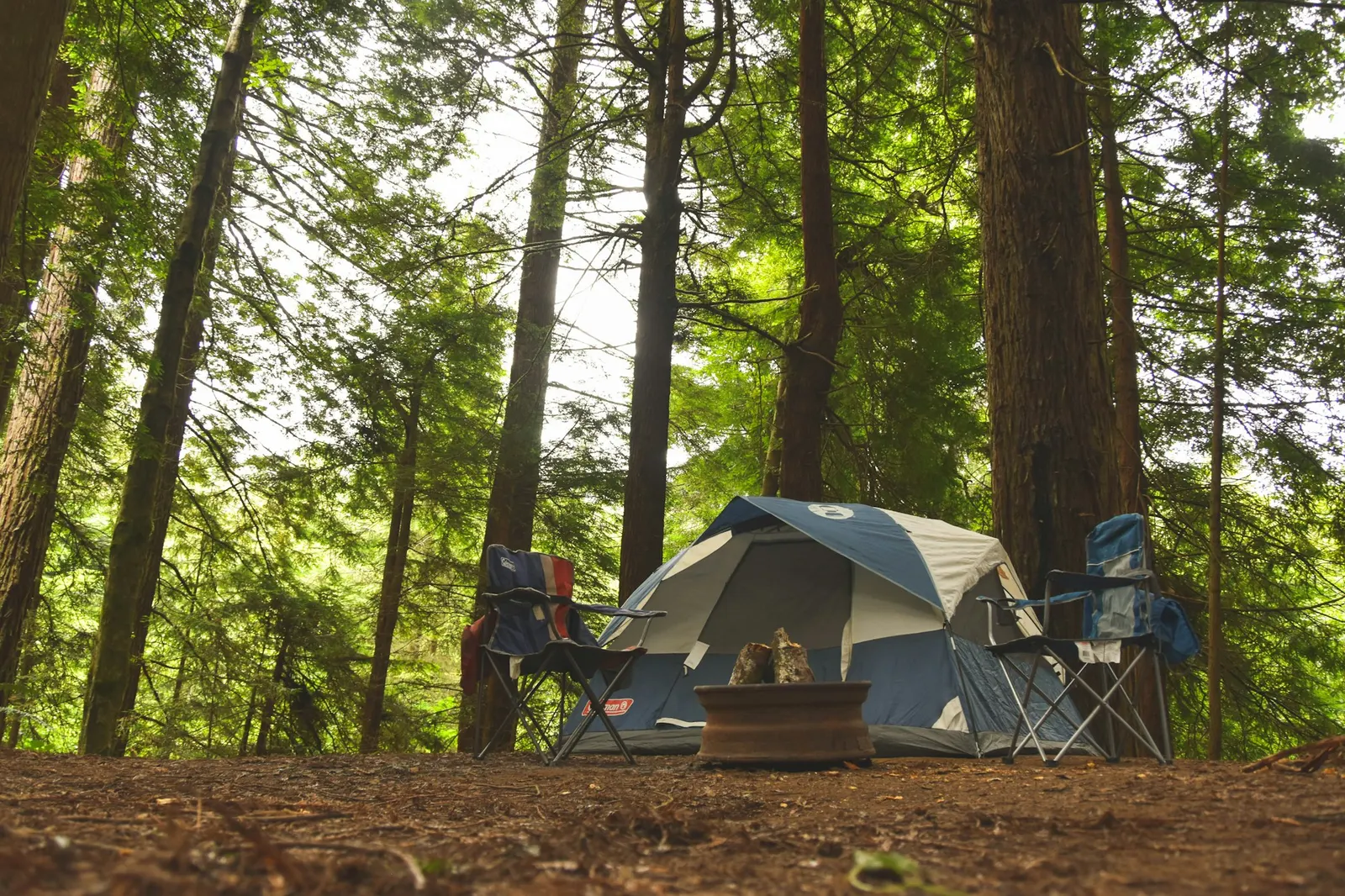
"Frontcountry" is the term parks use for campgrounds you can drive to. Sites sit along paved or gravel loops, usually with a picnic table and fire pit, and the campground offers shared facilities such as drinking water, washrooms and sometimes showers. They range from small rustic loops in remote parks to large campgrounds near popular lakes. For many families and new campers, frontcountry is the ideal introduction, and even seasoned paddlers use it as a base for day trips.
Understanding site types
Campground maps and reservation systems describe sites in a few common ways. Knowing the terms helps you book the right one.
- Unserviced: a tent pad or gravel pad, picnic table and fire pit. No hook-ups. Often the quietest loops.
- Electrical: a site with a power post, mostly used by trailers and RVs. Handy in shoulder season if you need to run a small heater, where permitted.
- Walk-in: you park nearby and carry gear a short distance to the site. A great middle ground between frontcountry and backcountry.
- Roofed accommodation: many parks now offer oTENTiks, yurts or cabins for those without a tent or for colder months.
- Group sites: larger sites for organized groups, usually with their own booking rules.
Picking a great site from the map
Online reservation systems show a map of each loop and often photos of individual sites. A few minutes of study can make a big difference to your weekend.
What to look for
- Distance to the comfort station: close enough for night-time trips, far enough to avoid foot traffic and door slams.
- Waterfront or not: lakeside sites are lovely and book first; sites one row back are often quieter and more sheltered.
- Pad size and slope: check the listed dimensions against your tent footprint, plus room for a tarp.
- Shade and exposure: morning sun dries dew; afternoon shade keeps tents cool in July.
- Radio-free and dog-free loops: several provincial parks designate quiet areas — a good choice for light sleepers.
In peak summer, the best campgrounds near popular lakes fill as soon as reservations open. If your dates are flexible, look at Sunday-to-Thursday stays, June before school ends, or September after Labour Day. You will often have a wider choice of sites and quieter loops.
Reservations in Canada at a glance
National parks use the Parks Canada Reservation Service, and each province runs its own system for provincial parks. Booking windows differ: some open on a single launch date for the whole season, others on a rolling basis a set number of months before your arrival date. Always check the current rules on the official website rather than relying on last year's dates. Our article on reserving Parks Canada campsites explains how to prepare.
Setting up a comfortable base camp
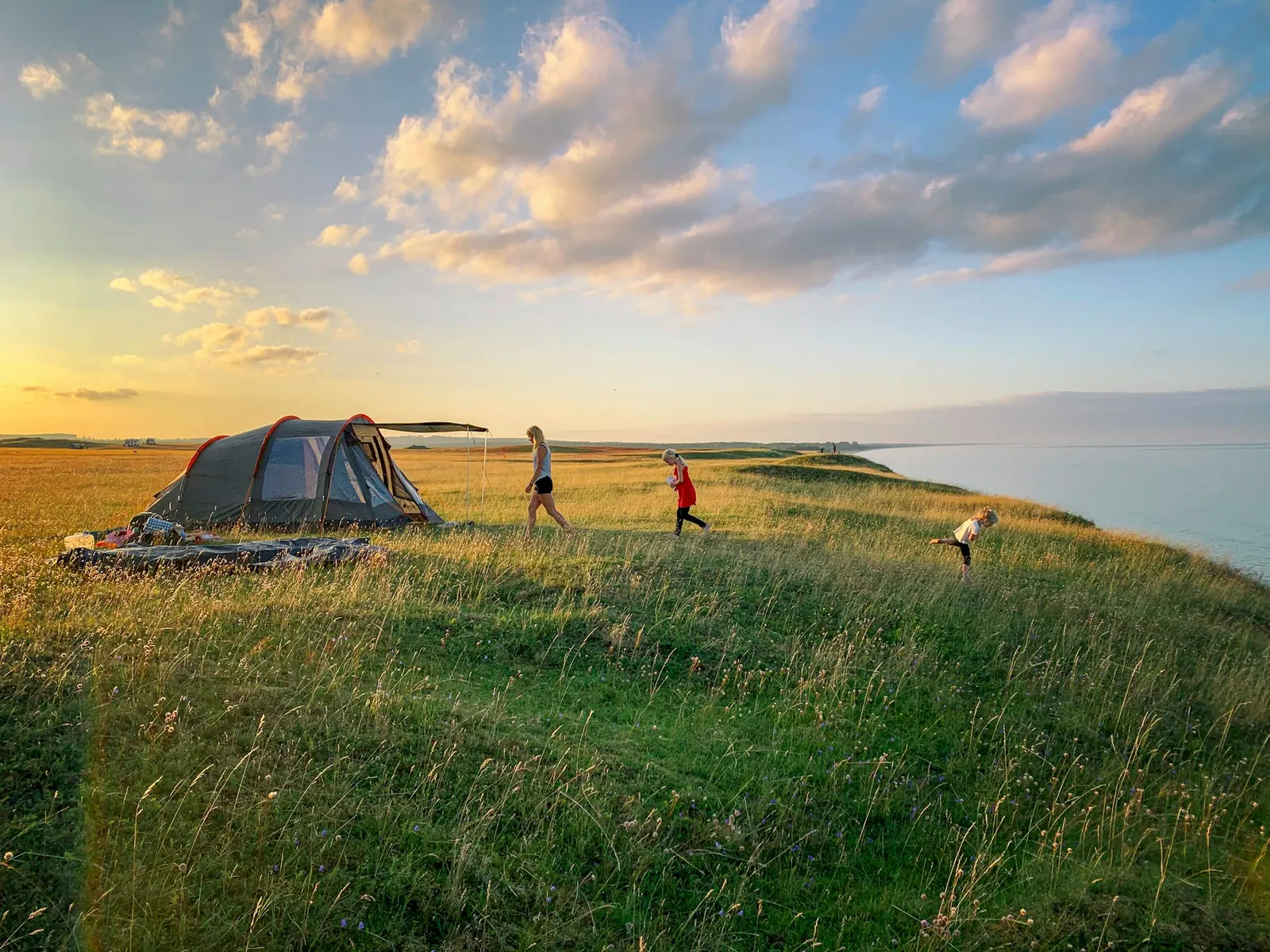
With a car nearby, you can bring a little more comfort, but a tidy, well-organized camp is still the goal.
- Pitch the tent on the pad, door facing away from the prevailing wind, and stake it out fully.
- Rig a tarp over the picnic table. It turns a rainy afternoon into a cozy one; see our rainy-day camp hacks.
- Set up a kitchen zone on the table with a stove, wash basin and a bin for clean dishes.
- Store food in the vehicle or provided food locker whenever you are not actively using it, including overnight.
- Keep a headlamp and water in the tent pocket for night-time.
Campground etiquette
Frontcountry campgrounds work because people share space considerately. A few habits make everyone's stay better:
- Respect quiet hours, which in many parks begin around 11 p.m.
- Do not cut through other campsites; walk on the road or trails.
- Keep pets leashed and never leave them unattended.
- Use only firewood bought locally or provided by the park. Moving firewood can spread invasive insects such as the emerald ash borer.
- Check for fire bans before lighting anything; rules can change daily in dry weather. Our guide to campfire bans and rules explains where to look.
- Leave the site cleaner than you found it, including micro-trash like twist ties and bottle caps.
The best campground neighbours are the ones you barely notice — and who notice when you need a hand.
Using the campground as a paddling base
Many frontcountry campgrounds sit on lakes that connect to canoe routes. That makes them ideal for day paddles: you can explore a few lakes, carry over a short portage, eat lunch on an island and return to a hot shower. Outfitters in or near major parks rent canoes and gear, and some parks have rental counters at the campground beach.
Day paddles are also the best way to test gear and skills before a first overnight canoe trip. Practise loading the canoe, paddling in a light wind, and carrying it a short distance. Once that feels comfortable, the backcountry is only a portage away.
Wildlife in the campground
Black bears, raccoons, foxes and jays all learn quickly where easy food is found. A clean site protects them as much as it protects you. Never leave coolers, dishes or garbage out, even for a few minutes while you swim. Report any bold or aggressive wildlife to park staff, who track behaviour and may close sites to keep visitors and animals safe.
Frontcountry checklist
- Reservation confirmation and permit, plus vehicle permit if required.
- Tent, tarp, ropes and extra stakes.
- Stove, fuel, pots, wash basin and biodegradable soap.
- Local or park firewood (only if fires are allowed).
- Headlamps, warm layers and rain gear for everyone.
- PFDs and paddles if you plan to paddle from the campground.