
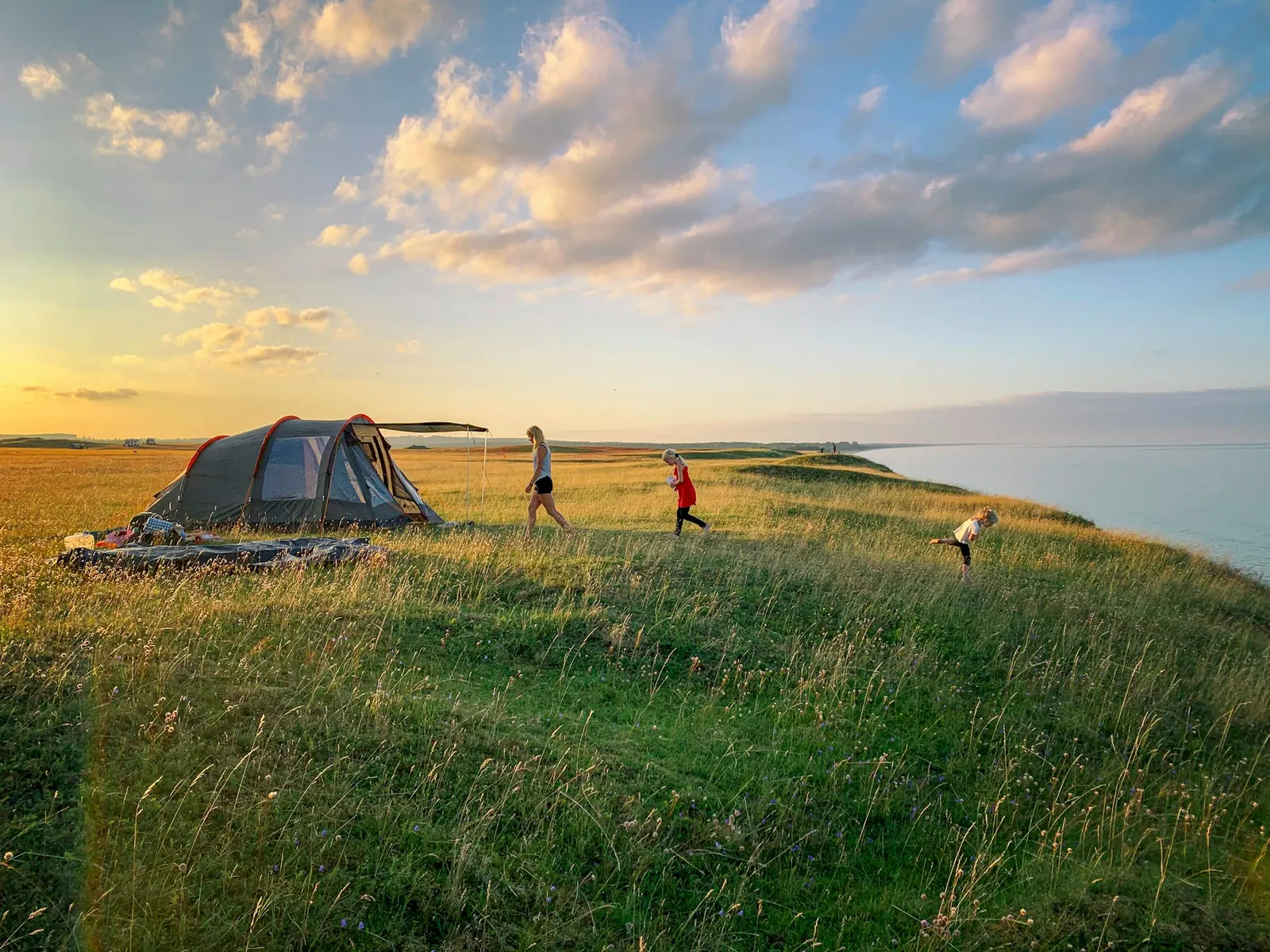
Camping with children is about lowering the bar for distance and raising it for fun. A good family weekend is close to home, has a few easy activities nearby, and leaves plenty of time for unstructured play: building stick boats, finding frogs and staring at the fire. This guide shares a simple framework for planning family weekends at Canadian campgrounds.
Choosing the right campground
For first trips, pick a frontcountry campground within two or three hours of home. Long drives eat into the weekend and tire everyone out before you start.
Family-friendly features
- A beach or gentle swimming area: many provincial parks have supervised or designated swimming beaches, which are easier than rocky shorelines.
- Short nature trails: loops of one to three kilometres are perfect for little legs.
- Interpretive programs: many national and provincial parks offer guided walks, evening talks or kids' activities in summer.
- Canoe rentals: a calm bay and a nearby rental counter make a first paddle easy.
- Comfort stations with showers: worth a lot after a muddy day.
Our frontcountry campgrounds guide explains how to read campground maps and choose a site.
A sample weekend plan
- Friday evening: arrive with time to set up before dark. Keep dinner simple — something pre-made that only needs warming.
- Saturday morning: pancakes, then a short hike or a visit to the park's visitor centre.
- Saturday afternoon: swimming and a short paddle in a sheltered bay. Rest time in the shade.
- Saturday evening: a fire if permitted, a night walk with headlamps, and stargazing.
- Sunday: slow breakfast, pack up together, and one last swim or walk before checkout.
Kids enjoy camping more when they feel part of the crew. Give each child a role suited to their age: tent-stake collector, water carrier, firewood checker or dish dryer. A small headlamp and whistle of their own go a long way too.
Packing for kids
Children get wet, muddy and cold more quickly than adults, and they cannot always tell you before it becomes a problem. Pack more clothing than you think you need.
- Two full changes of clothes per child per day, packed in labelled bags.
- Warm layers: fleece, toque and warm socks for evenings, even in July.
- Rain gear: a rain jacket and rain pants or a one-piece rain suit for younger kids.
- Footwear: closed-toe water shoes for swimming and a dry pair for camp.
- Sleep: an insulated pad and a sleeping bag sized for the child.
- Comfort items: a favourite stuffed animal or book helps at bedtime in a new place.
- Bug protection: long sleeves, bug jackets for young children and an age-appropriate repellent. See bug season survival.
Water safety
Lakes are the heart of most family camping trips, and they deserve full attention. Drowning can happen quickly and silently, especially with young children.
- Assign a designated adult "water watcher" whenever kids are in or near the water, and switch roles explicitly.
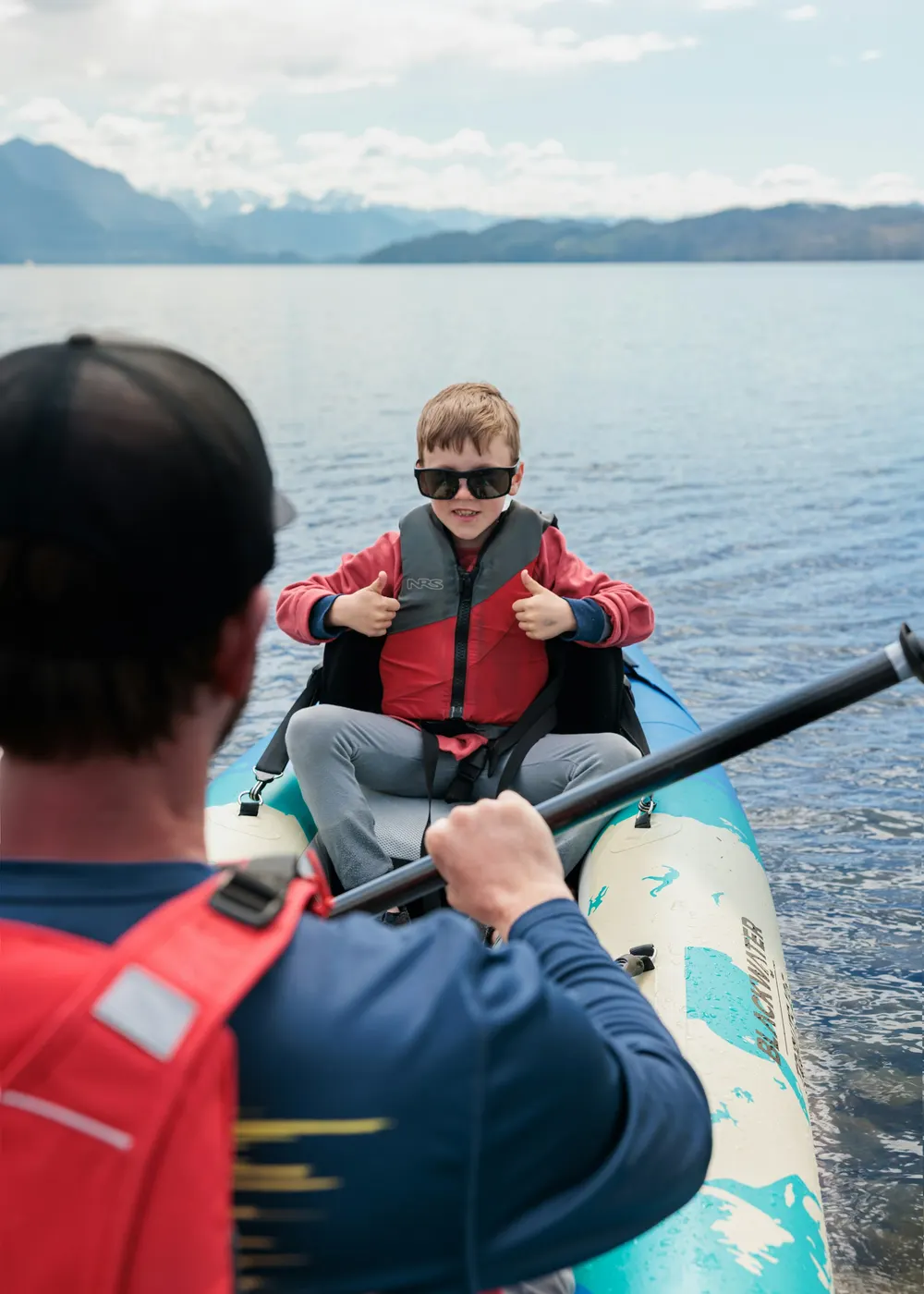
- Young and non-swimming children should wear a properly fitting lifejacket near the water, not just in boats.
- Check depth and bottom conditions before swimming; Shield lakes often drop off suddenly from rocks.
- In a canoe, every person wears a Canadian-approved lifejacket or PFD that fits their weight and chest size.
For first paddles, choose calm mornings, stay close to shore and keep trips short. Our paddling with kids article covers canoe seating, games and gear.
Easy family meals
Choose meals that are familiar, quick to cook and easy to clean up. Prepare as much as possible at home.
- Breakfast: pancakes from a pre-mixed bottle, oatmeal with toppings, or breakfast wraps.
- Lunch: wraps, cheese and crackers, cut vegetables and fruit.
- Dinner: chili or pasta sauce made at home and frozen (it doubles as an ice pack), foil-packet vegetables, or sausages.
- Treats: s'mores, popcorn on the stove, hot chocolate.
See camp meal planning for a full planning method.
The goal is not to do everything — it is to want to come back.
Keeping everyone safe and happy
Set camp boundaries
Walk around the site together on arrival and agree on boundaries: where kids can play, how far they can go, and that the water and fire are adult-supervised zones. Teach children to "hug a tree" and blow their whistle if they ever feel lost.
Wildlife and food
Explain why food never goes in the tent and why we never feed animals, even cute chipmunks. Kids are often the best enforcers of a clean camp once they understand why.
Sun, heat and hydration
Hats, sunscreen and regular water breaks matter, especially on beaches and on the water where reflected sunlight intensifies exposure.
Sleeping well as a family
A good night's sleep makes or breaks a family camping weekend. Bring a tent large enough for everyone plus some gear, give each child a warm sleeping bag and an insulated pad, and keep the bedtime routine as close to home as possible: pyjamas, a story, a favourite stuffy. A small, dim lantern can help children who are nervous in the dark. If the night is cold, dress kids in a dry base layer and a toque — see our guide to choosing a sleeping pad for cold nights.
When the weather turns
Rain is part of camping in Canada. A large tarp over the picnic table, a deck of cards and a few rainy-day games can save the weekend. If thunder arrives, take shelter in a vehicle or building rather than under a tarp or tree. Our rainy-day camp hacks have more ideas.