
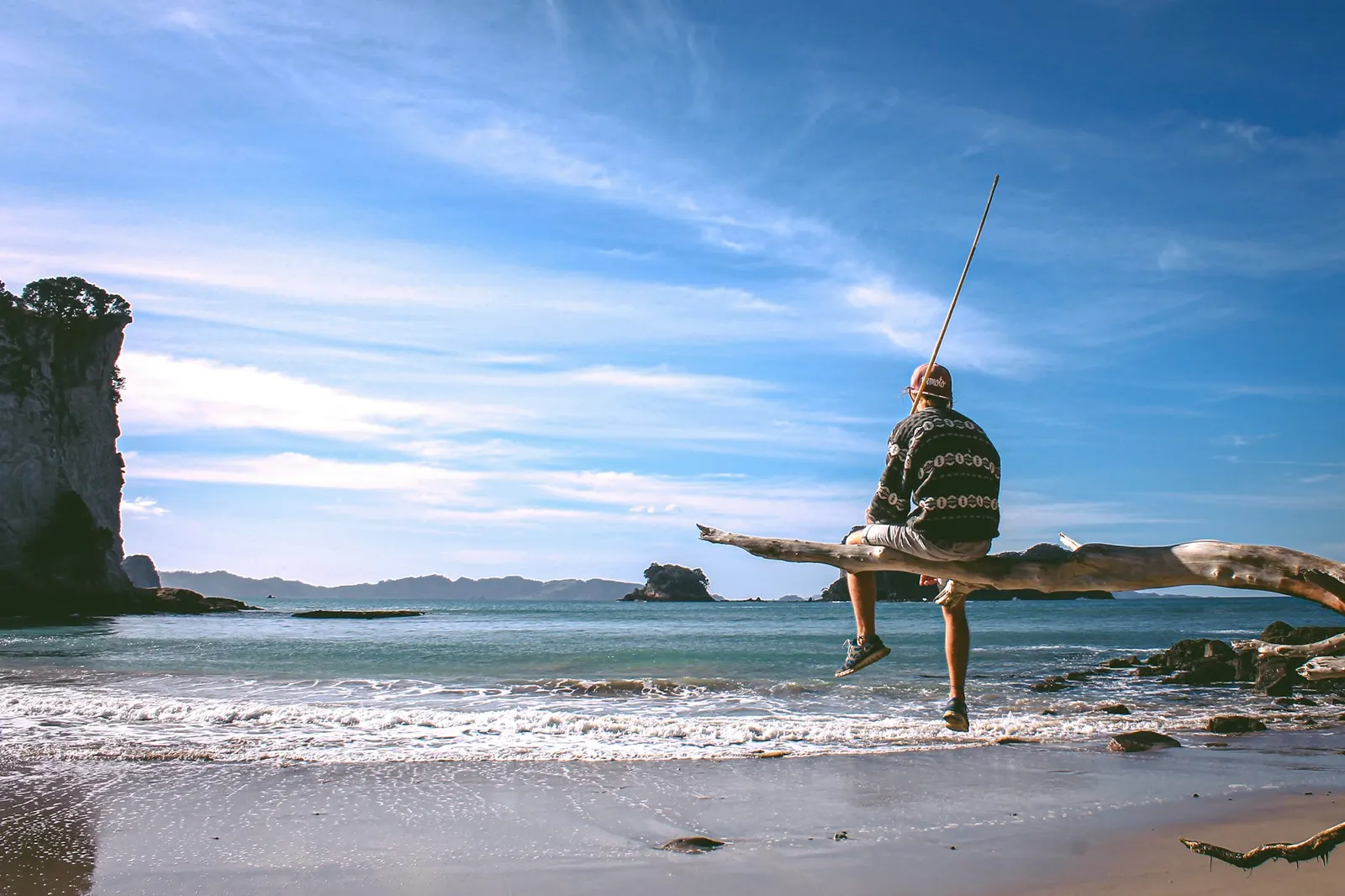
Canada has the longest coastline in the world, and some of its most memorable camping happens on the edge of it. On the west coast of Vancouver Island, Pacific Rim National Park Reserve protects long surf beaches and the island-dotted waters of Barkley Sound. On the Atlantic side, Gros Morne National Park in Newfoundland pairs dramatic fjords with coastal campgrounds. And inland, the "freshwater seas" of Georgian Bay and Lake Superior offer island camping that feels coastal in every sense. This page covers what makes these trips different and how to plan for them.
What makes coastal camping different
- Tides: on ocean coasts, the shoreline moves twice a day. A beach that looks huge at low tide can disappear at high tide.
- Fog and wind: marine weather changes quickly and can reduce visibility to a few metres.
- Freshwater: on many islands and beaches, drinkable water sources are limited or seasonal.
- Exposure: fewer trees and more open water mean more wind on your tent and in your boat.
- Fragile ground: dunes, beach grasses and island vegetation recover slowly from trampling.
Tides: the clock you cannot ignore
On the Pacific and Atlantic coasts, check tide tables before every trip. The Canadian Hydrographic Service publishes official predictions for stations along both coasts. Look at the times and heights of high and low tide for each day you are out.
Practical tide rules
- Pitch above the high-tide line. Look for the line of dry seaweed, driftwood and debris that marks the highest recent tides, and camp well above it.
- Secure your boat. Carry kayaks or canoes above the high-tide line and tie them to something solid.
- Plan beach and headland routes. Some coastal hikes and beach walks are only passable at lower tides. Know your window before you start.
- Use currents. In channels and narrows, tidal currents can run faster than you can paddle. Time crossings for slack water.
Ocean water on both Canadian coasts stays cold all summer. Wear a PFD at all times on the water, dress for immersion rather than air temperature, and avoid open crossings when fog is forecast. Carry a compass and a chart, and know your bearing to shore before visibility drops.
Island camping on the great lakes and the Shield
You do not need salt water for an island adventure. Georgian Bay's thousands of granite islands, the island sites of Lake Superior's north shore and countless Shield lakes offer camping on smooth rock with water views in every direction. These lakes behave more like the sea than an inland pond: they can build steep waves quickly, and their water is cold well into summer.
Island sites are wonderful but exposed. Pitch where trees break the wind, use rocks or extra guy lines where stakes will not hold on bedrock, and watch the sky for afternoon storms that can make returning to the mainland unsafe.
Choosing a coastal site
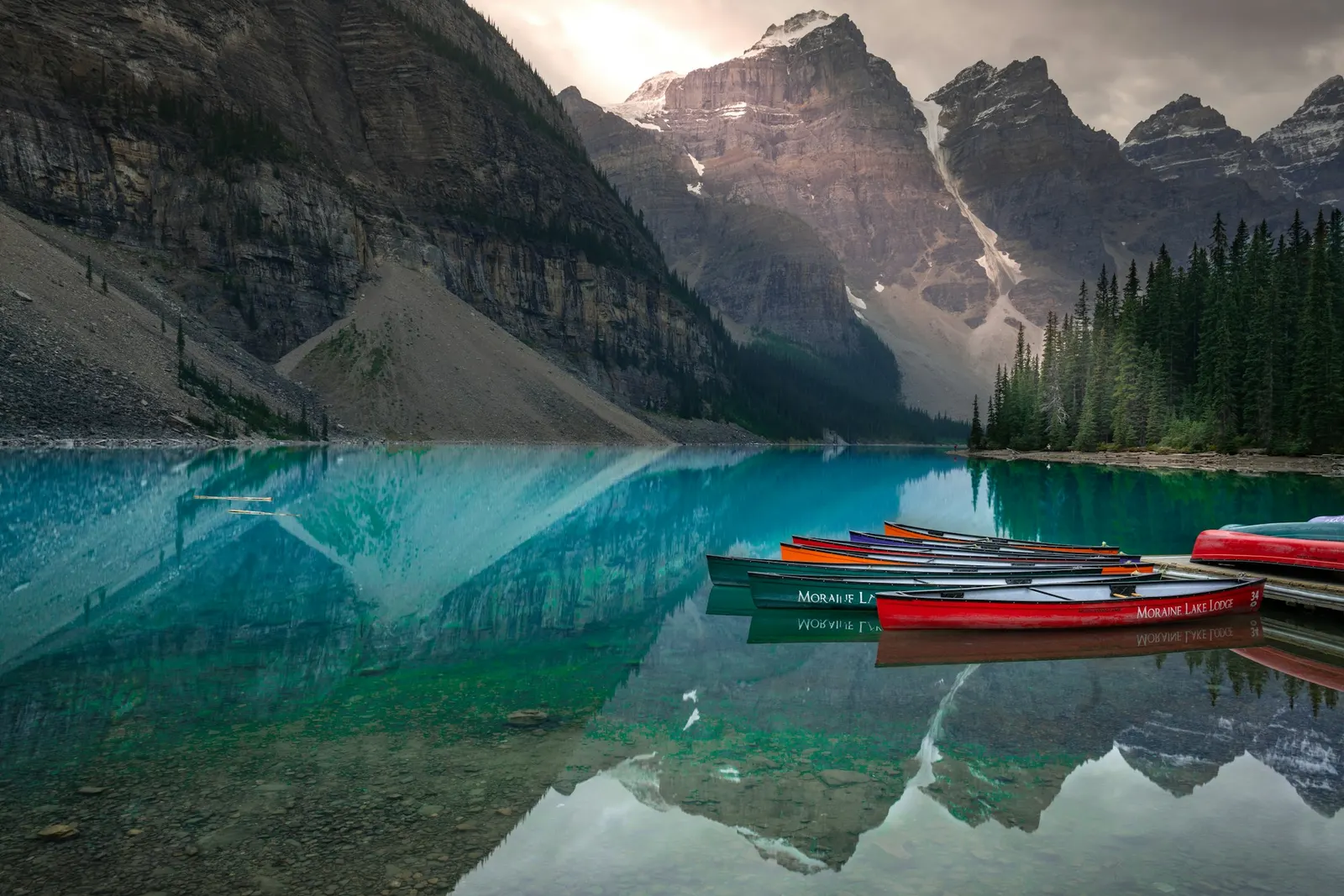
Many coastal parks use designated campsites or campgrounds, and some areas, such as the Broken Group Islands in Pacific Rim, require reservations for island camping in season. Where you have a choice, look for:
- A sheltered spot behind a headland or in the lee of trees.
- Durable surfaces such as sand below vegetation or established tent pads, never on dune grass.
- A safe landing that will still be usable at different tide heights.
- Distance from creeks and trails used by wildlife.
Water, food and wildlife
Freshwater
Do not assume you will find drinkable water on an island or beach. Creeks may dry up in late summer, and some sources are brackish. Carry enough water for a buffer day, treat any water you collect, and never drink seawater.
Wildlife
Coastal environments are rich in wildlife. On Vancouver Island, black bears forage along beaches at low tide, and wolves and cougars are present. Gros Morne is home to moose and black bears. Store all food and scented items in the lockers provided or in bear-resistant containers, keep a clean camp, and never approach or feed animals. Raccoons, mink and ravens on islands can be remarkably bold, so close every container. Read our bear safety guide before you go.
Marine life
Watching whales, seals and sea birds is a highlight of coastal trips. Keep your distance and let animals decide how close to come. Federal regulations set minimum approach distances for many marine mammals; check the current rules from Fisheries and Oceans Canada for the area you are visiting.
On the coast, the tide sets the schedule. Your job is to read it and plan around it.
Gear adjustments for the coast
- Tent: a low, sturdy tent with plenty of guy-out points and sand stakes or the ability to anchor on rocks or logs.
- Rain gear: the west coast is famously wet; bring real rain pants and a jacket, plus a tarp. Our rainy-day camp hacks help.
- Dry bags: salt and sand get into everything. Pack electronics and sleeping bags in waterproof bags.
- Warm layers: even in August, coastal evenings can be cool and damp; bring a warm hat and a good sleeping pad.
- Navigation: chart, compass, tide tables and a weather radio or forecast source.
Protecting coastal places
Beach and island ecosystems are fragile. Stay off dune grass and moss-covered rock, use established trails, and pack out all garbage including food scraps. Where fires are allowed on beaches, build them below the high-tide line on sand, keep them small, use only driftwood that is dead and down, and make sure they are completely out. Many coastal areas are also traditional territories of Indigenous nations; respect signs, closures and cultural sites, and learn about the communities whose lands you are visiting.