
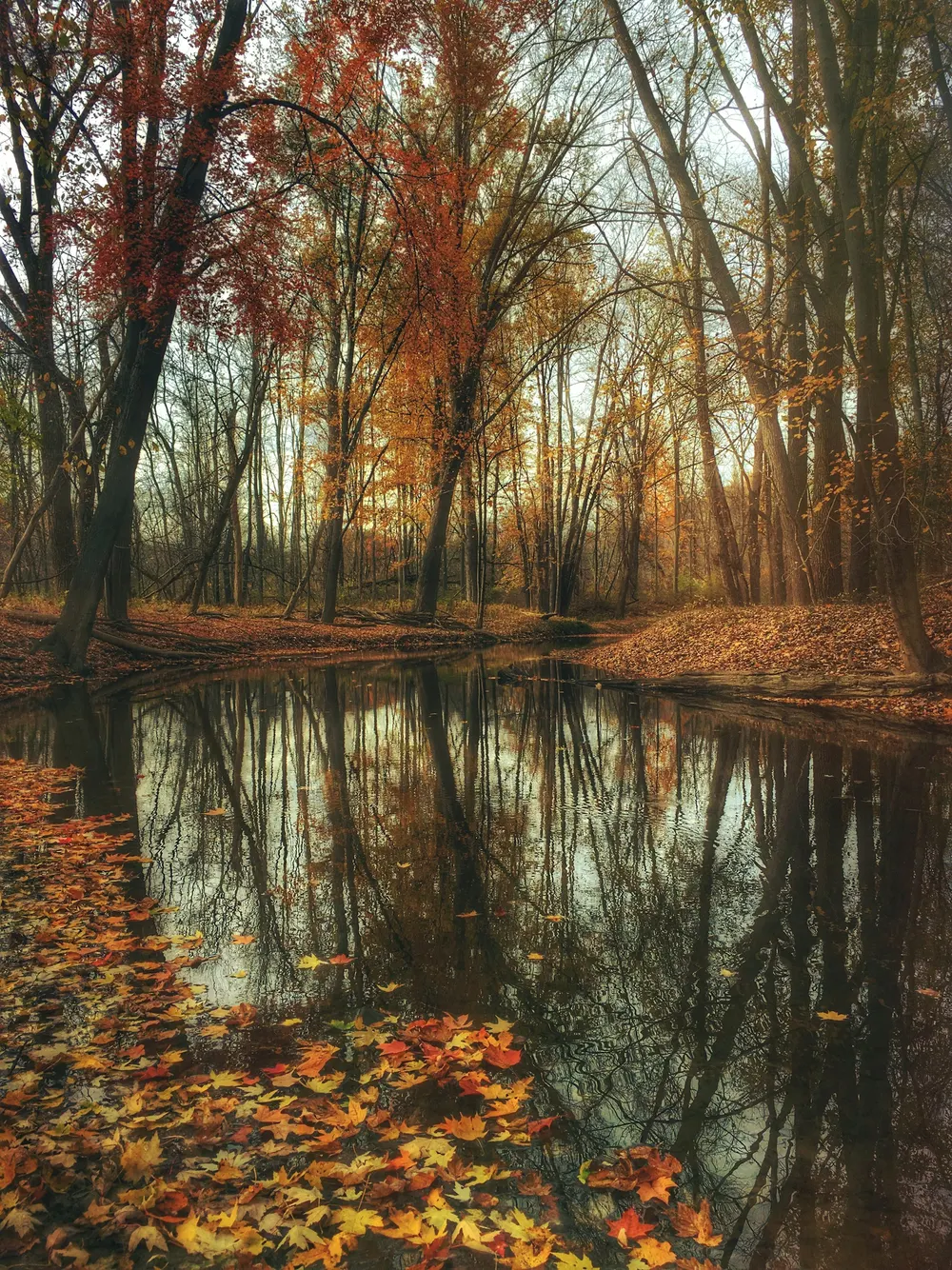
For many Canadian campers, autumn is the best season of all. Blackflies and mosquitoes fade, campgrounds empty out after Labour Day, and hardwood forests put on a show of red, orange and gold. The trade-off is shorter days, colder nights and changing services in parks. With the right timing and gear, a fall colour trip can be the highlight of your year.
When does colour peak?
Leaf colour depends on tree species, latitude, elevation and the weather in late summer. Cool nights and sunny days tend to produce the most vivid reds. Timing shifts every year, so treat the following as general patterns rather than promises.
| Region | Typical peak | Main colour |
|---|---|---|
| Algonquin highlands, Ontario | Late September to early October | Sugar maple reds and oranges |
| Killarney and Georgian Bay | Late September to mid-October | Maple and birch mixed with white quartzite |
| Laurentians and Mauricie, Quebec | Late September to early October | Maples, birches and tamaracks |
| Rocky Mountains (Banff, Jasper) | Mid to late September | Golden aspen and larch at higher elevations |
| Atlantic Canada | Early to mid-October | Maples and birches along coasts and rivers |
Some parks and tourism regions publish fall colour reports during the season. Ontario Parks, for example, posts colour updates for many parks including Algonquin. Checking these a week before your trip helps you choose dates.
Choosing where to go
Hardwood forests for the big reds
The deepest reds come from maples, which are common in central Ontario and southern Quebec. Lakes surrounded by hills give you colour on every shoreline and its reflection on calm mornings.
Mountain gold
In the Rockies, the show is golden rather than red. Aspen groves in the valleys and larch trees near treeline turn bright yellow in September. Larch hikes are very popular, so start early and expect busy trailheads on weekends.
Quiet lakes
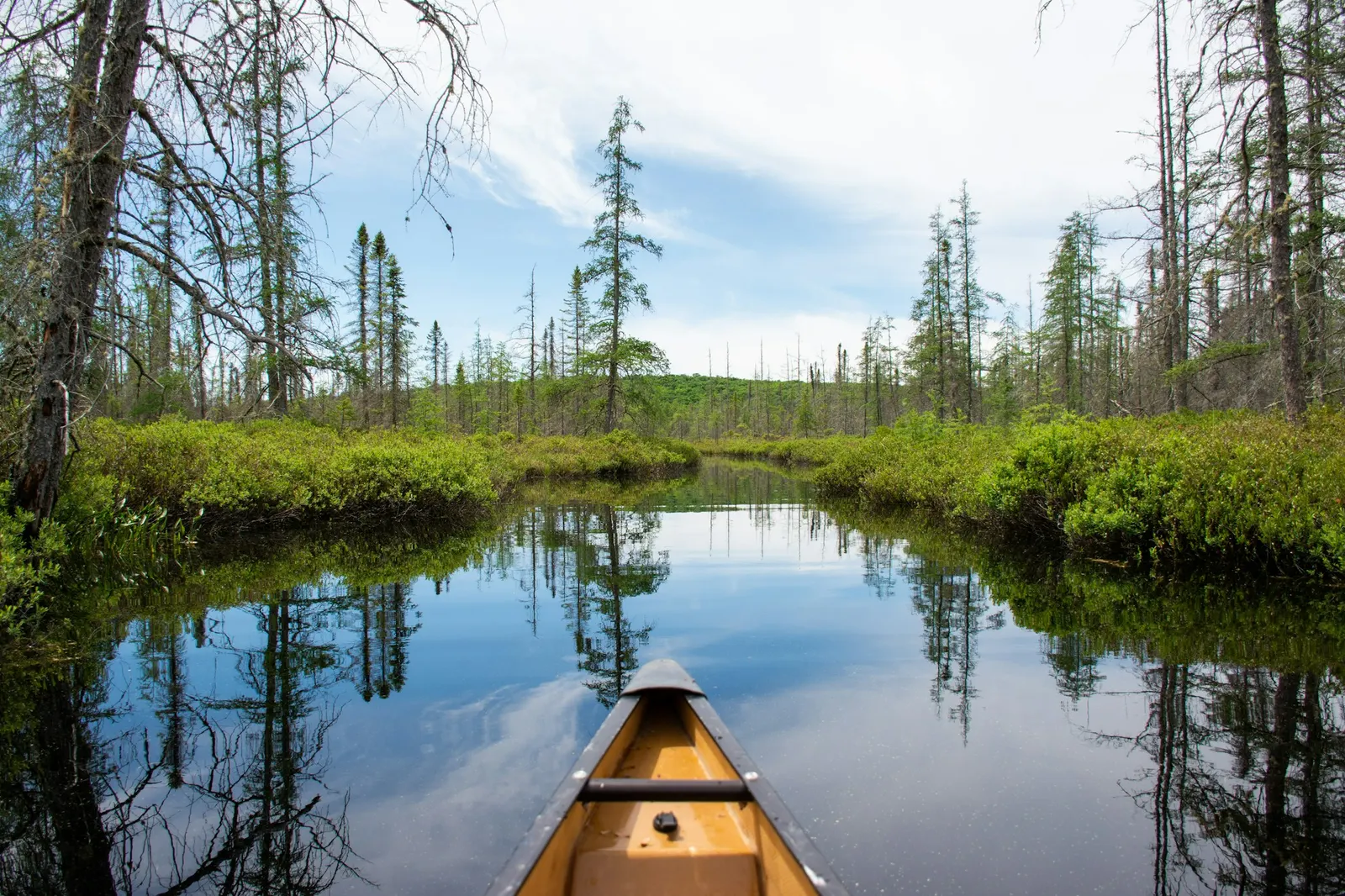
Fall is the perfect time for a canoe trip on lakes that are packed in July. Many access points are quieter, and you may have entire lakes to yourself midweek.
Staying warm on frosty nights
Overnight lows near or below freezing are common from mid-September in much of Canada, and earlier at elevation. Cold is the main reason fall trips go badly, and it is almost always avoidable.
- Insulate from the ground: a pad with a higher R-value, or two pads stacked, matters more than the sleeping bag. See our guide to choosing a sleeping pad for cold nights.
- Sleeping bag rating: choose a bag rated comfortably below the expected low, and wear a dry hat and socks to bed.
- Eat before bed: a warm, fatty snack helps your body generate heat overnight.
- Hot water bottle: fill a sturdy, leak-proof bottle with hot water and put it in your sleeping bag.
- Keep layers dry: change out of damp paddling clothes as soon as you reach camp.
By early October, there are far fewer daylight hours than in June. Aim to be at camp with the tent up well before sunset, carry spare headlamp batteries, and plan simple dinners that can be cooked by lamplight.
Shoulder-season services
After Labour Day and especially after Thanksgiving in October, many parks reduce services. Some campgrounds close, water taps are turned off, comfort stations may shut, and roofed accommodation has limited availability. A few campgrounds stay open with reduced services into late fall. Always check the operating dates for the specific campground on the official park page before you go.
Outfitters may also reduce hours, so book canoe rentals ahead and confirm pick-up times.
Wildlife in autumn
Fall is a busy season for wildlife. Black bears are feeding intensively before winter, which makes careful food storage even more important. In the mountains, elk are in their rut from roughly September into October; bulls can be aggressive, and parks advise keeping a large distance. Moose are also in rut in many regions. Give all large animals plenty of room, and never get between a mother and young.
Fall trips are about timing: the colour, the daylight and the weather window all have to line up — and when they do, it is magic.
Paddling safety in cold water
By autumn, lakes have started to cool, and a capsize becomes much more serious. Wear your PFD at all times, stay close to shore, avoid long open crossings in wind, and keep a full change of warm clothes in a dry bag that you can reach quickly. Paddling with another canoe adds a margin of safety.
Photographing fall colour from a canoe
A canoe is one of the best platforms for fall photography. Calm mornings produce perfect reflections, and you can drift close to colourful shorelines without trampling anything. A few tips:
- Go early, when water is calm and mist often lifts off the lake.
- Overcast days make colours look richer and reduce harsh shadows.
- Keep your camera or phone in a dry bag or tethered when not in use.
- Let the canoe drift rather than paddling while you shoot, and keep an eye on your position relative to shore and wind.
Many other paddlers are out for the same view on fall weekends. Midweek trips offer quieter water and easier access to popular lakes.
Fall colour packing list
- Warm sleeping bag and insulated pad (or two pads).
- Toque, gloves, warm mid-layer and an insulated jacket for camp.
- Rain jacket and pants; fall storms can be cold and windy.
- Thermos for hot drinks on the water.
- Extra fuel for longer cooking times and hot water.
- Camera or phone with a power bank — cold drains batteries faster.